
Sariska Tiger Park
Nestled in the heart of Rajasthan, Sariska Tiger Park is a stunning wildlife sanctuary where nature and adventure come together. Spread across 881 square kilometers, this park is one of India’s most celebrated tiger reserves, offering visitors a unique blend of thrilling tiger sightings and serene natural beauty. Let’s dive into the wonders of this remarkable destination and discover what makes Sariska Tiger Park so special.
A Royal History in the Wilderness
The history of Sariska Tiger Park dates back to the days of the Maharajas, who once used this land as their royal hunting grounds. Today, it stands as a protected sanctuary, part of India’s Project Tiger initiative, preserving not just its majestic big cats but also its rich heritage. Visitors can explore ruins of ancient temples, medieval forts, and even a palace within the park’s boundaries, making it a place where history whispers through the trees.
Home to the Majestic Bengal Tiger
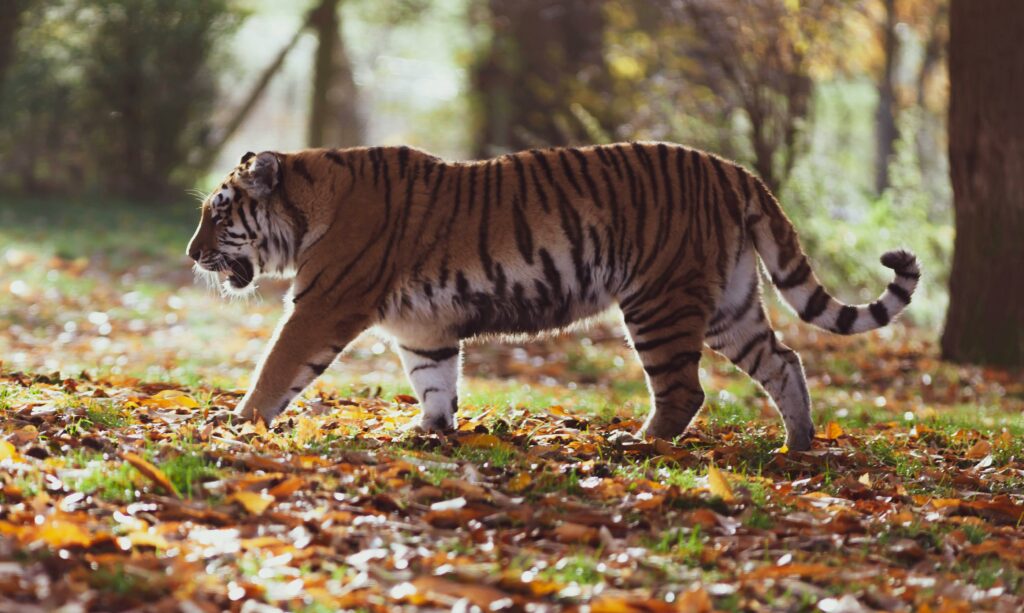
The highlight of Sariska Tiger Park is undoubtedly its population of Bengal tigers. After a period of near extinction, the park saw a successful tiger relocation program, and the number of tigers is steadily growing. Spotting one of these magnificent creatures in their natural habitat is an experience that stays with you forever. Whether you’re a wildlife photographer or a nature enthusiast, the sight of a tiger prowling through the dense foliage is nothing short of magical.
A Haven for Diverse Wildlife
While the Bengal tiger steals the spotlight, Sariska Tiger Park is home to an incredible variety of wildlife. Leopards, hyenas, jackals, and sambar deer roam freely across the terrain. Birdwatchers will be thrilled by over 200 species of birds, including peacocks, partridges, and the rare grey hornbill. The park’s diverse flora and fauna ensure there’s something for every nature lover.
Exploring the Stunning Landscape
The terrain of Sariska Tiger Park is as captivating as its wildlife. Rolling hills, dry deciduous forests, and sprawling grasslands make up the park’s picturesque landscape. Jeep safaris provide an intimate glimpse into the park’s untamed beauty, ensuring visitors experience the wilderness up close.
Eco-Tourism and Responsible Travel
Sariska Tiger Park is a shining example of sustainable tourism. Efforts to protect the park’s fragile ecosystem include eco-friendly safaris, limited tourism zones, and community involvement. Visitors are encouraged to respect nature, avoid littering, and maintain silence to ensure a harmonious experience for both humans and animals.
Best Time to Visit Sariska Tiger Park
The ideal time to visit Sariska Tiger Park is between October and March when the weather is pleasant, and wildlife sightings are frequent. Summers, though hot, offer a better chance of spotting tigers as they frequent waterholes. The park is easily accessible from Delhi, making it a convenient getaway for weekend travelers.
2-Night Itinerary from Delhi to Sariska Tiger Park
Day 1: Drive from Delhi to Sariska
Start early in the morning for the 200-kilometer drive (approx. 4-5 hours) from Delhi to Sariska. Enjoy the scenic journey as you leave the bustling city behind and enter the serene landscapes of Rajasthan.
Check into a wildlife resort or hotel near Sariska Tiger Park. Relax and soak in the natural surroundings.
In the evening, explore the nearby areas or visit the ancient Kankwari Fort, located within the park. It offers breathtaking views and a glimpse into the region’s royal past.
Return to your accommodation for dinner and a peaceful night’s rest.
Day 2: Safari and Exploration
Wake up early for the morning jeep safari in Sariska Tiger Park. Accompanied by experienced guides, this is your best chance to spot Bengal tigers, leopards, and other wildlife in their natural habitat. Don’t forget your camera to capture these memorable moments!
After the safari, visit the famous Pandupol Hanuman Temple, believed to be associated with the Pandavas from the Mahabharata.
Spend the afternoon relaxing at your accommodation or exploring local villages to experience Rajasthan’s vibrant culture.
In the evening, embark on a second safari for more wildlife sightings, as animals are often active during dusk.
Day 3: Return to Delhi
After a leisurely breakfast, check out and begin your journey back to Delhi. Take with you not just memories but also a deep connection to nature and wildlife.